Best Portable Power Banks for Long Bus Rides in Laos
Let's be real. The bus rides in Laos are legendary. They're an essential, beautiful, and often punishing part of the experience. You're gazing at jaw-dropping karst mountains one minute, and the next, you're on a pothole-riddled road for the 5th straight hour. Your phone is your map, your translator, your book, and your music. And when that battery hits 1% somewhere outside Pakse with six hours to go? That's a special kind of travel panic. This isn't about gadget porn. It's about survival. About keeping your lifeline alive when the bus has exactly zero USB ports, or the ones it has are deader than your social life back home.
Forget Marketing Junk. Here's What You *Actually* Need.
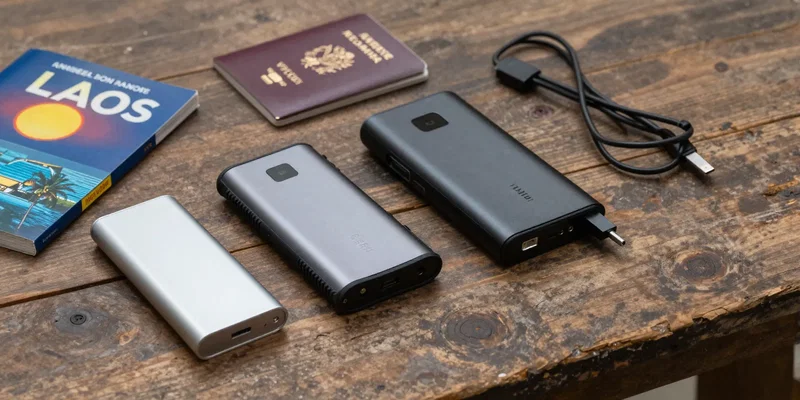
Ignore the flashy ads. For Lao bus rides, your checklist is simple but non-negotiable. **Capacity is king:** Aim for 20,000mAh minimum. That's 4-5 full phone charges. Trust me, you'll use them. **Durability matters:** It's getting tossed in your bag, maybe dropped. A metal shell or rubberized finish is your friend. **Two output ports:** Because you might need to juice your phone and your buddy's e-reader at the same time. **Fast charging input:** When you finally find a hostel outlet for 30 minutes, you want that bank to guzzle power, not sip it. Weight is a trade-off, but a dead phone is heavier.
The No-BS Contenders: Three Banks That Get It
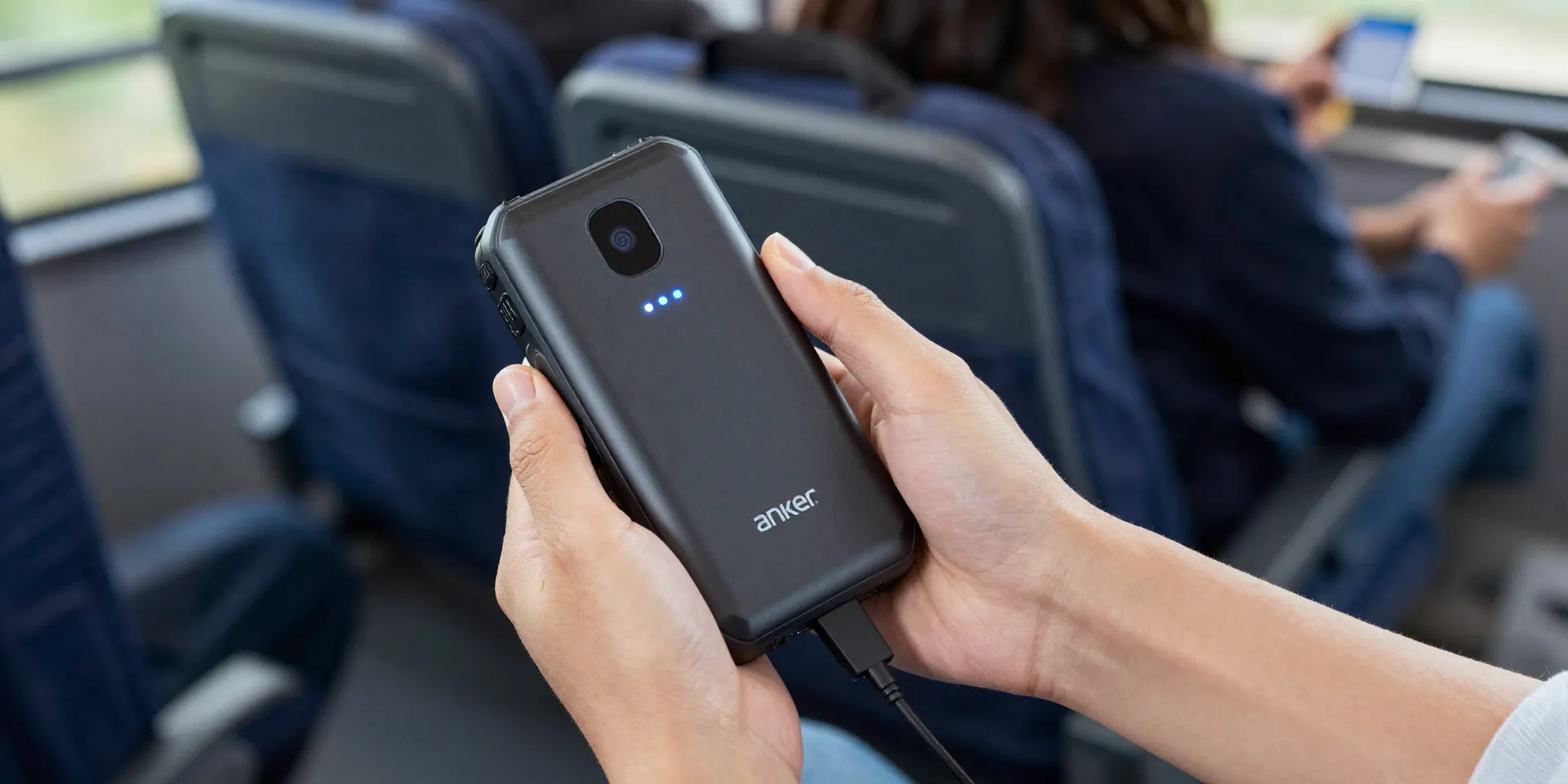
Okay, so what to buy? Here are my picks based on sweating through this exact scenario. **The All-Rounder:** The Anker 325 Power Bank (20K). It's the reliable Honda Civic of power banks. Not the flashiest, but it works, every single time. Good speed, solid build, and won't bankrupt you. **The Rugged Beast:** The GoalZero Sherpa 100PD. This thing is overbuilt and brilliant. It can charge a laptop too, which is overkill for some, but if you're a digital nomad working from a bus seat (brave soul), it's a tank. **The Slim Savior:** The Nitecore NB10000. For the ultra-minimalist who hates weight. It's incredibly light for its 10,000mAh capacity, made from carbon fiber. It won't last the *longest* journey, but it's perfect as a backup or for shorter hops.
Pro-Tips: Charging on the Move in Laos
Gear is half the battle. Strategy is the other half. **Always board at 100%.** Both your phone *and* your power bank. Every time. **Use Airplane Mode.** Seriously. Your phone searching for signal for 12 hours straight is a battery vampire. Download your maps, podcasts, and playlist first. **Pack the right cable.** A short, durable cable is less of a hassle than a 6-foot monster tangling with your neighbor. **Scout the bus.** Sometimes the driver's area has a plug. Ask politely. Sometimes there's a hidden outlet near the back seats. Be a power detective. Your seatmate will love you for it.
Think I'm being dramatic? Try explaining to a *songthaew* driver where your remote village homestay is with hand gestures alone. Try arriving in a new city after dark with no map, no Grab app, and no way to call your accommodation. That off-grid bliss sounds great until you're stranded. Your power bank isn't just a battery. It's your ticket to smooth logistics, it's your safety net, and honestly, it's your sanity saver on those endless, beautiful, bumpy roads. Get a good one