Managing Burnout While Working and Traveling Solo
Let's be real. That "dream life" of working from a beach cafe? It can grind you down faster than a bad Wi-Fi connection. Burnout isn't just for office drones. When you're alone in a new city every month, responsible for your income and your survival, fatigue sets in differently. It's a slow creep. One day you're marveling at a sunset, the next you're staring at your screen for hours, unable to write a single email. You feel guilty for not "living the dream." Here's the thing: that guilt is the first sign.
How to Spot Burnout Before It Wrecks Your Trip
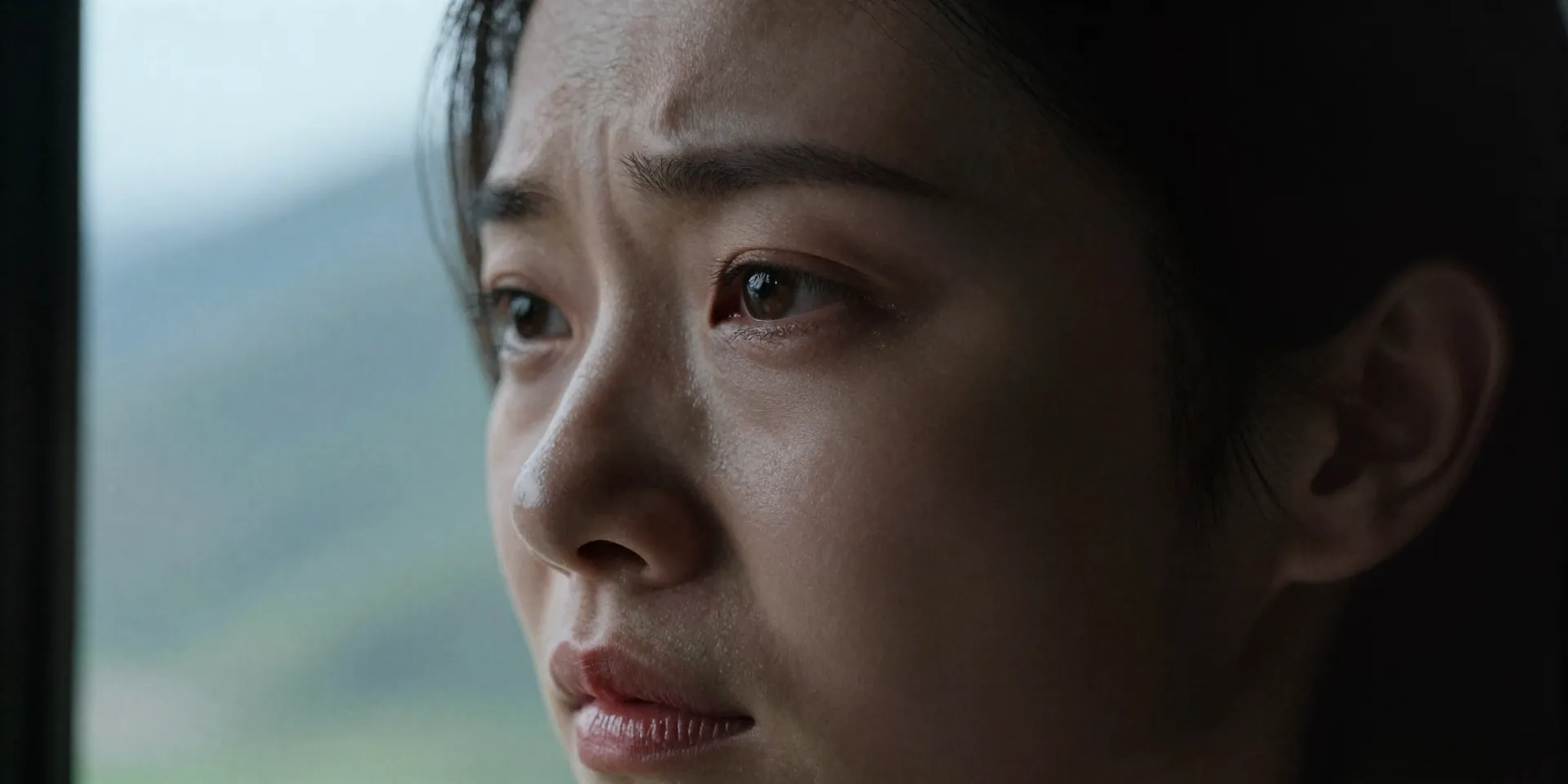
It's sneaky. You might blame a cold or the time zone. But your body and mind scream in subtler ways. Are you cynical about the very places you wanted to see? Do simple tasks feel impossible? Maybe you're sleeping ten hours but waking up drained. Or scrolling mindlessly instead of exploring. That's not travel fatigue. That's your system waving a giant red flag. Listen to it. Ignoring this is how adventures turn into ordeals.
Building a Routine That Actually Works on the Road

Forget the rigid 9-to-5. I'm talking about anchors. Non-negotiables that tether you. Could be a morning walk without your phone. A specific cafe where you only work for two hours. A hard stop at 6 PM. Anything. Structure isn't the enemy of freedom; it's the foundation. Without it, every day is a decision-fatigue marathon. Your work bleeds into your exploration time. Then you do neither well. Actually, a simple routine creates the space for spontaneity to feel fun again, not like another item on the to-do list.
What to Do When You Hit the Wall
Stop. Seriously. Just stop. Cancel your plans for the next two days. Your job right now is not to be productive or a tourist. It's to recharge. Book a proper hotel room for a night. Order food in. Binge a stupid show. Go for a long walk with zero purpose. Do absolutely nothing that requires brainpower. This isn't laziness. It's emergency maintenance. Trying to power through is what turns a bad week into a three-month slump. Give yourself permission to fall apart for a minute. You'll come back stronger.
Finding Your Rhythm for the Long Haul
This is about sustainability. It means planning slower travel. Staying in one place for a month instead of a week. It means scheduling time for admin—like visas and laundry—and not pretending it's fun. It means connecting with other nomads, even virtually, so you remember you're not alone in this. Your work life balance will look different every month. That's okay. The goal isn't perfect equilibrium. It's catching the imbalance before you topple over. Sometimes work gets 70%. Sometimes travel gets 90%. As long as you're aware and can correct course, you're winning.
Remember, You're Not a Machine
The most important piece of gear isn't your laptop or your passport. It's self-compassion. You will have bad days. You will miss deadlines. You will get sick of moving. That doesn't mean you've failed the nomad life. It means you're human. Talk to yourself like you would a friend in the same spot. Drop the pressure to be constantly inspired. Sometimes, the best part of the journey is just sitting still. And that's enough.