Rebuilding Social Confidence After Years of Remote Isolation
Let's be brutally honest for a second. You spent years perfecting the "mute" button and the strategic off-camera nod. Your main social interactions were with a delivery person and your pet. Now, the idea of small talk at a real, three-dimensional party feels like preparing for a thesis defense. Your social muscles are atrophied. They're weak, they're jittery, and the first time you try to use them again, it's gonna feel weird. That's not a personal failure. That's just physics. Your brain got really, really good at being alone. Re-wiring it takes time. And the first step is to stop beating yourself up for feeling rusty.
Awkwardness Isn't A Bug, It's A Feature.
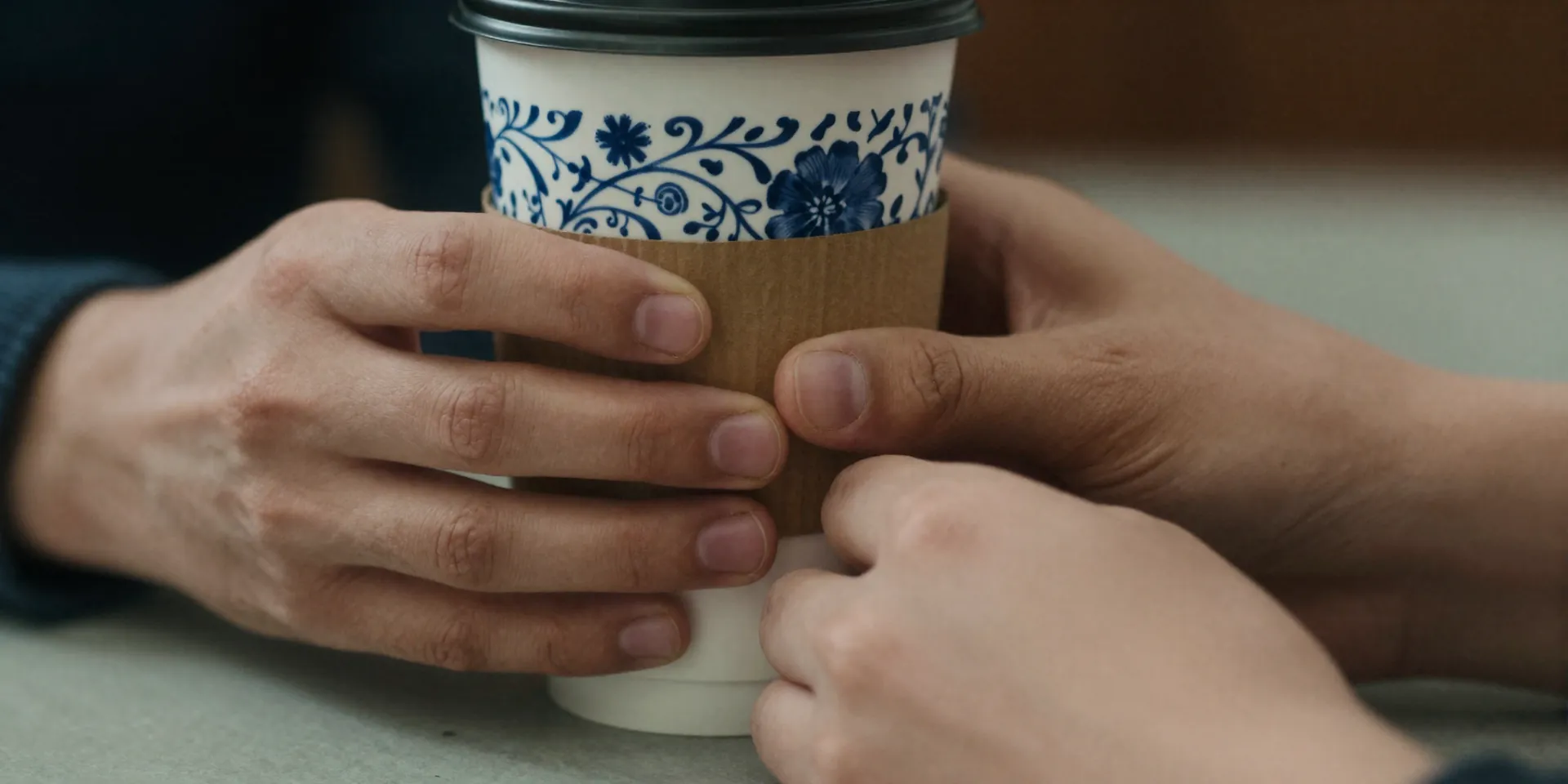
Here's the thing we all forget: socializing was *always* awkward. Before the pandemic, we were just better at hiding the seams. We'd practiced the dance so much we could do it on autopilot. Now the autopilot is broken, and you're consciously thinking about every step. That lull in conversation? It happens to everyone. That joke that didn't quite land? Classic. That moment you couldn't remember a word? Human. We've mythologized smooth, effortless charisma. Actually, most connection is built in the slightly fumbly, real moments. Embrace the stumble. It makes you relatable.
Start Stupidly Small. No, Smaller Than That.
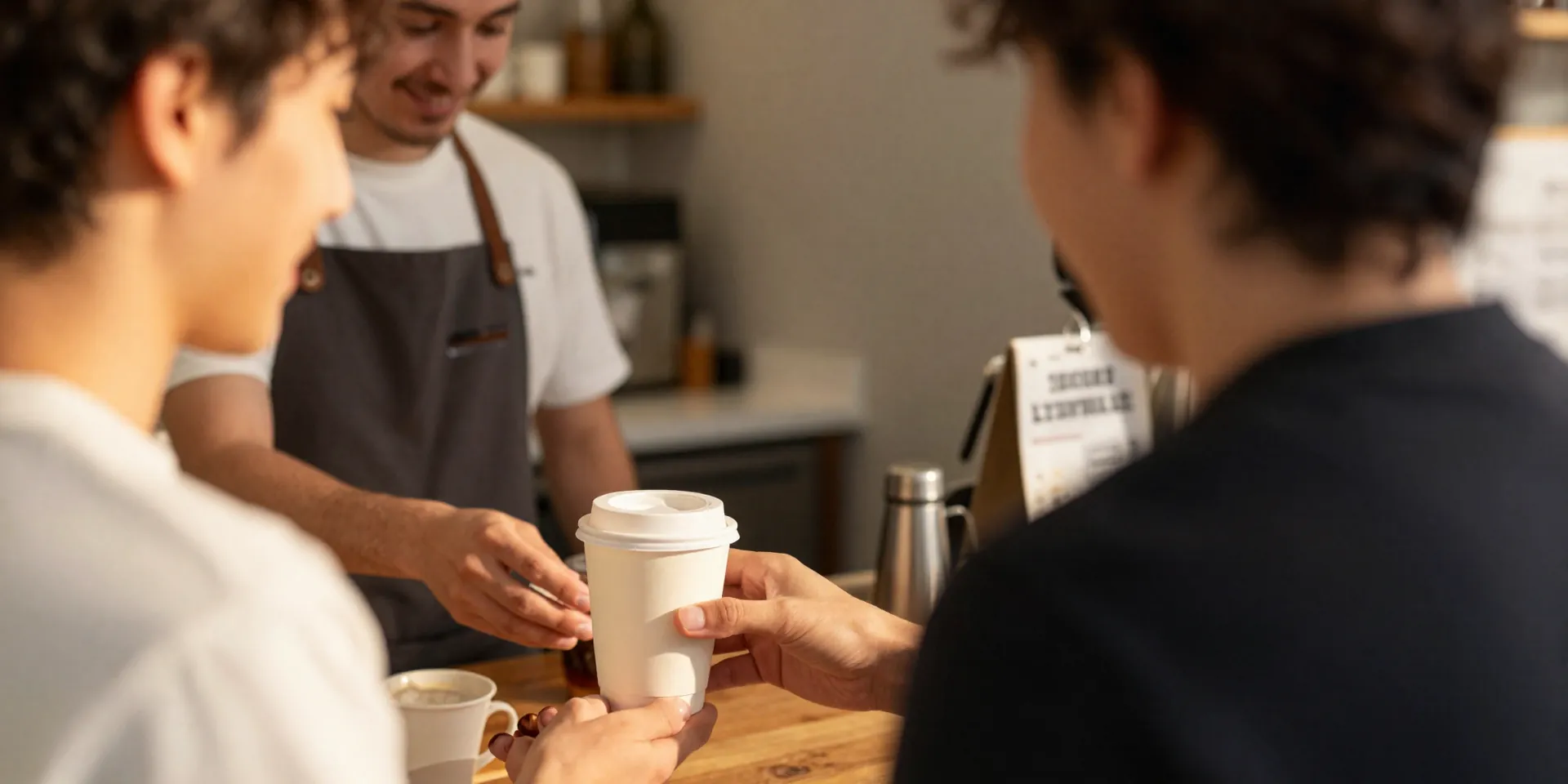
You don't run a marathon on atrophied legs. You take a walk around the block. Your goal for the first week isn't "network at a conference." It's "say three full sentences to the cashier." It's "make one piece of non-weather-related small talk." It's "ask a colleague a follow-up question about their weekend." These are your social reps. Low stakes. High reward. Every single one of them is a victory. They rebuild the neural pathways without the panic of a high-pressure situation. Celebrate the tiny win of asking, "How's your day going?" and actually listening to the answer. That's the foundation.
Your Superpower Right Now? Listening.
When you're anxious, your brain screams, "What do I say next? Do I sound smart? Do they like me?" It's exhausting. Flip the script. Your only job is to listen. I mean *really* listen. Nod. Make a noise of agreement. Ask a simple follow-up like, "And what happened then?" or "How did that feel?" People love to talk about themselves. Being a great listener doesn't require you to be witty or fascinating. It just requires you to be present. It takes the pressure off you completely. And strangely, people will walk away thinking *you* were a great conversationalist.
The Setback Is The Lesson.
You'll have a bad interaction. You'll leave a gathering feeling like you said all the wrong things. The old instinct will be to retreat. To label yourself "bad at this" and hide back in your comfortable cave. Don't. That single bad interaction is just data. It's not your permanent identity. What specifically felt off? Were you tired? Was the group too big? Did you put too much pressure on yourself to perform? Analyze it like a scientist, not a critic. Then adjust. Try a smaller group next time. Go for an hour, not four. Your confidence isn't built by avoiding failure. It's built by surviving it and realizing you're still okay.