Medical Emergencies in Bali: A Solo Travelers Action Plan
Let's get real. You're by yourself. Something goes wrong. Your first instinct will be to freak the hell out. Don't. Your job is to go from "Oh crap" to "Okay, here's the plan" faster than you can say "where's the nearest bathroom?". Take a breath. Actually, take three. Panic makes everything worse. It clouds your thinking. Your number one asset right now is a clear head. Squeeze your hand into a fist and then release it. Ground yourself. The next five minutes are critical. Your brain, not your fear, is now in charge.
Insurance Isn't Boring. It's Your Get-Out-of-Hell-Free Card.
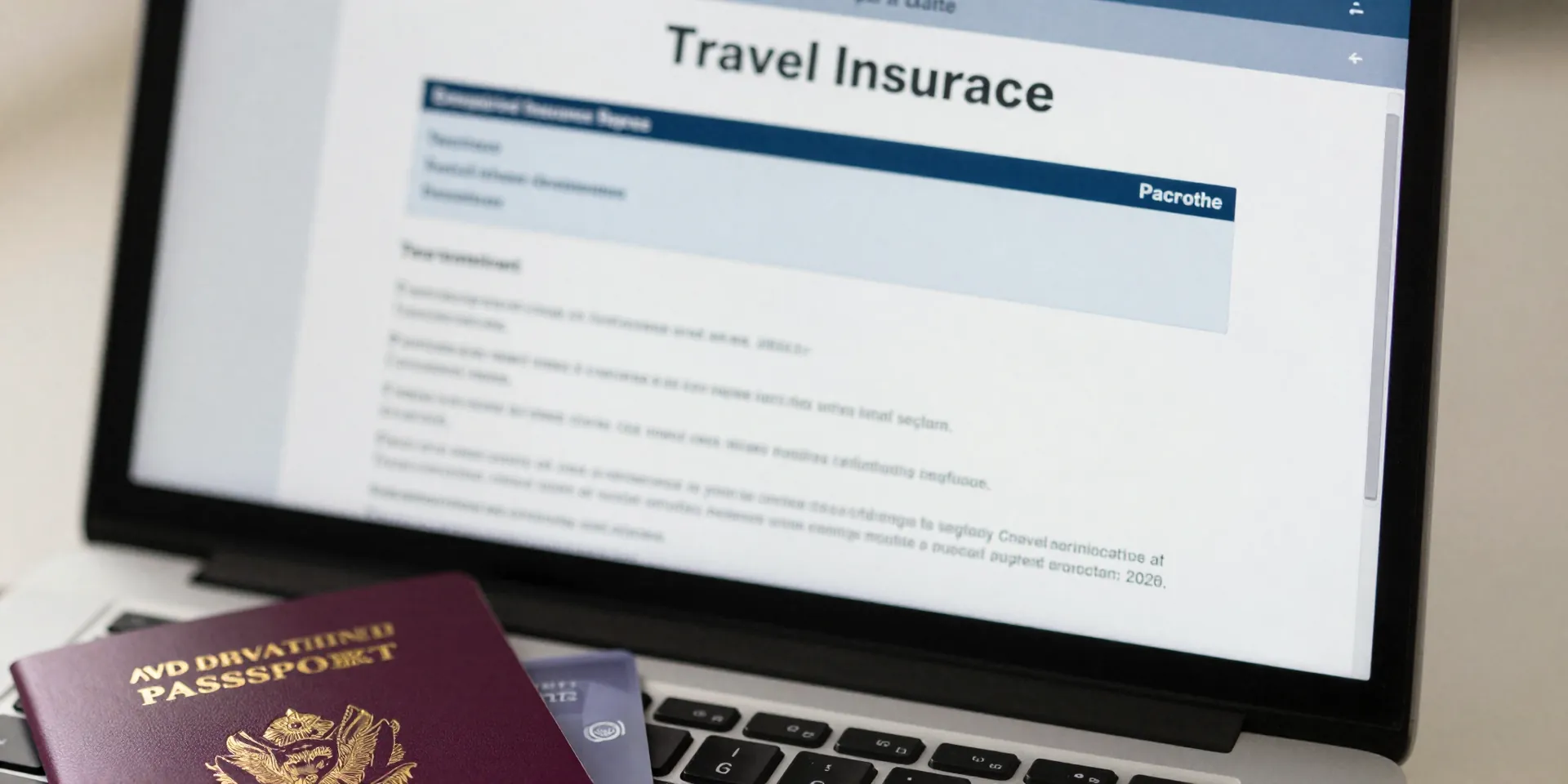
If you skimmed this section thinking you're invincible, I need you to listen. This isn't adulting advice. This is survival. Standard credit card insurance? Useless. You need a policy that screams "I travel solo in the tropics." Look for "medical evacuation" as a non-negotiable. Imagine a serious motorbike wipeout in Ubud. You need a chopper to Singapore, not a bumpy ambulance to the local clinic. Good insurance makes that call. The other magic phrase? "Direct billing." It means the hospital bills them, not you. You have no idea how precious that is until you're staring at a five-figure deposit demand. Buy it *before* you leave. No arguments.
The "Bali Belly" Battle Plan (Because It's Not a Question of *If*)
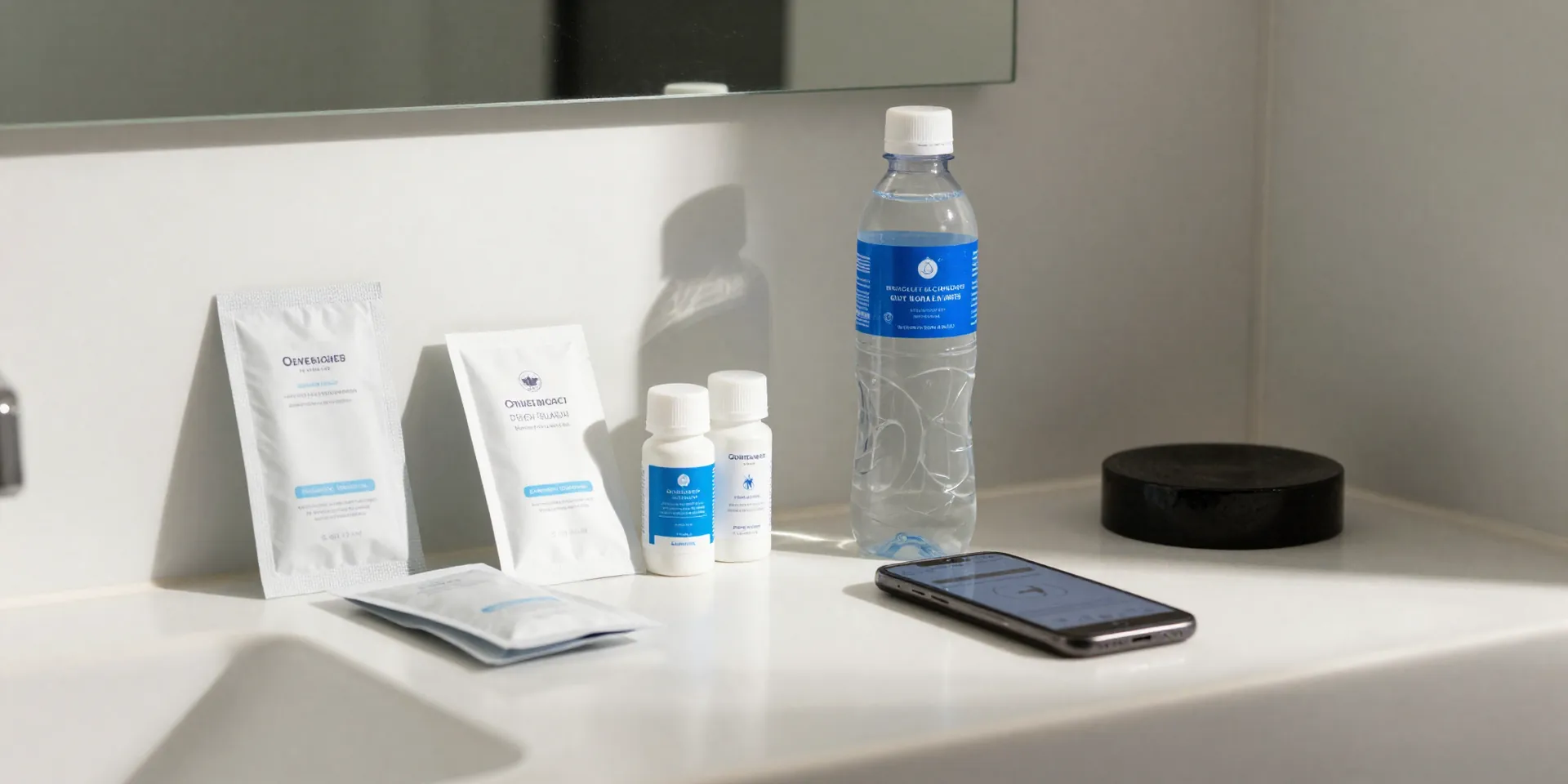
You will get it. Or a cousin of it. Here's the game plan. First, your pre-flight pharmacy run: get oral rehydration salts (ORS) and a good probiotic. When it hits, your mission is hydration, not holding down a five-course meal. Mix those salts with bottled water. Sip constantly. If you can't keep *liquids* down for 12 hours, or you see blood, the vacation is over. It's clinic time. Dehydration sneaks up fast in this heat. The local pharmacies ("apotek") are your first line of defense—knowledgeable and cheap for basic meds. But know the line between roughing it out and needing a professional.
Finding the Right Hospital: Skip the "Ma & Pa" Clinic
Not all medical facilities here are created equal. For anything beyond a basic prescription, you must aim for an "international" or "private" hospital. Think BIMC in Kuta and Sanur, or Siloam. They have English-speaking staff, international standards, and can coordinate directly with your insurance. Your hotel will default to recommending the closest place. Be polite but firm. "Can you please call BIMC?" Save the addresses and central numbers in your phone, *now*, while you're reading this. Also, find and save the location of a "24-hour clinic" in your area on Google Maps. Knowing exactly where to go when your brain is fuzzy is half the battle won.
What to Expect & How to Get Through It
Okay, you're in the good hospital. Here's the drill. Bring your passport, insurance card, and policy details. There will be paperwork. There might be a deposit request even with insurance—this is normal. Call your insurer's emergency line from the hospital; let them talk to the admin staff. Your job is to be the calm communicator between the two. The medical care at these top places is generally excellent. The nurses are often incredibly kind. You might feel vulnerable and alone. That's normal too. But you followed the plan. You got yourself to the right place. Now let them do their job. You did the hard part.